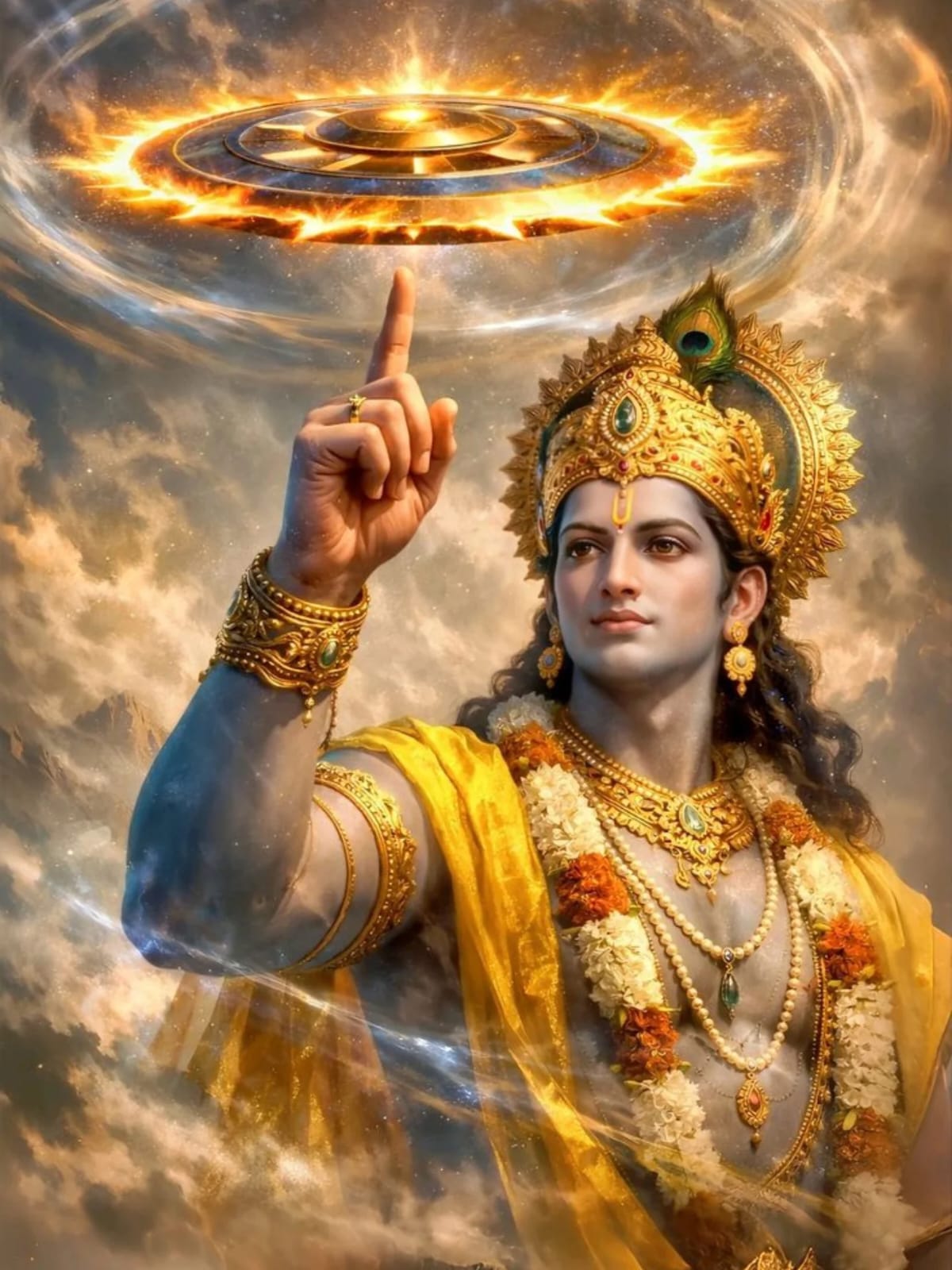
04. Lust in Bhagavad-gītā
04. Lust in Bhagavad-gītā
Krishna’s Tactical Intelligence on Desire
⚔️ The Question of Arjuna
Every seeker has asked the same question that Arjuna asked Kṛṣṇa in Gītā 3.36: "What is it that drives a man to sin, even against his will, as if by force?" This is the experience of modern digital traps—the feeling of being 'pushed' by an invisible power.
🛡️ Krishna's Three-Stage Analysis
1. The Enemy's Origin (Gītā 3.37)
kāma eṣa krodha eṣa rajo-guṇa-samudbhavaḥ... Kṛṣṇa identifies Kāma (lust) as born from the Mode of Passion (Rajas). It is "all-devouring" (mahāśanaḥ) and "all-sinful" (mahā-pāpmā). By labeling it correctly, you stop making 'excuses' for it.
2. The Covering of Knowledge (Gītā 3.38-39)
Just as smoke covers fire, or a mirror is covered by dust, our original, peaceful consciousness is covered by this burning desire. The Gītā explains that lust resides in three places: the Senses, the Mind, and the Intelligence.
3. The Battlefield Strategy (Gītā 3.41-43)
The Protocol: First, control the senses (indriyāṇi niyamya). Don't let the visual data in! Then, use the Intelligence to realize your true identity as the Soul, which is higher than the mind.
📖 Scriptural Context: The Downward Spiral
In Gītā 2.62-63, Kṛṣṇa maps the 'Anatomy of a Fall':
- Contemplation (Browsing digital thumbnails)
- Attachment (Thinking 'This looks good')
- Lust (The physical urge)
- Anger/Agitation (When the intelligence tries to say no)
- Delusion (Losing track of consequences)
- Destruction of Intelligence (Relapse)
🛡️ The 'Gītā-Tactical' Protocol
- Target the Passion: Since lust comes from Rajas, reduce the Rajas in your life (spicy food, heavy music, fast-scrolling). Switch to Sattva (peace, reading, early rising).
- The Soul-Check: When an urge hits, recite Gītā 3.42 in your head. "I am higher than this mind. I am the soul. I do not need this trash."
- Active Senses: Don't just try to 'stop' your senses. Engage them in Kṛṣṇa's service. Let your eyes see the Deity and your tongue chant the Name.
🌟 Conclusion
Krishna does not tell us that the battle is easy, but He tells us it is winnable. By using the Gītā's map of the mind, you stop being a victim and start being a warrior.